Rapid Assessment
Review failure symptoms, operating history, fan duty and site constraints to establish immediate requirements and potential safety concerns.
Unexpected Geareducer failure can interrupt cooling required for critical operations. Rapid response begins by identifying the installed drive, confirming its operating duty and evaluating technically suitable replacement options against the urgency of the situation.
The response sequence coordinates compatibility assessment, engineering approval, available equipment, shipment and startup support. Urgency does not eliminate the inspection and installation checks needed to return the drive to dependable service.
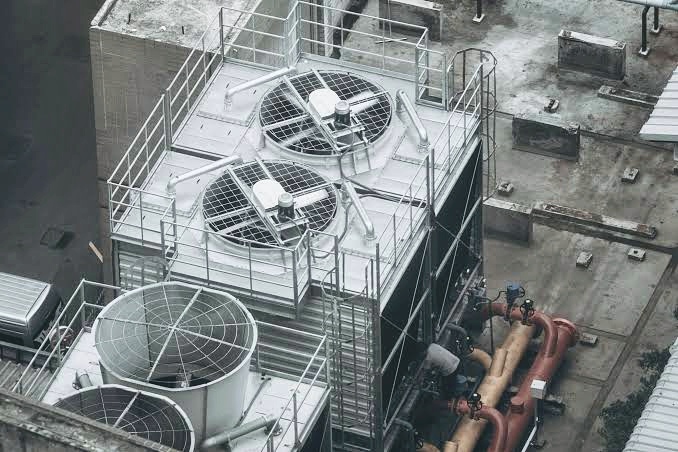
Review failure symptoms, operating history, fan duty and site constraints to establish immediate requirements and potential safety concerns.
Record manufacturer, model, serial number, ratio, speeds, shaft dimensions and mounting geometry to establish the replacement baseline.
Assess proposed equipment against mounting, shaft interfaces, torque, speed and fan loading before approving the configuration.
Coordinate urgent engineering review, documentation and production activities according to verified requirements and available capacity.
Confirm available equipment or components match the approved configuration and inspection status before expedited dispatch.
Coordinate protective packaging, shipping arrangements and delivery against unit dimensions, weight and destination constraints.
Support alignment, lubrication, rotation verification and startup observations before returning the cooling tower fan drive to service.
An urgent replacement should still follow a documented sequence from identification through engineering approval, inspection and dispatch. Clear technical information and a realistic installation plan can help reduce avoidable downtime without bypassing the checks needed for a safe and compatible drive.
Contact the engineering team with equipment identity, fault information and delivery requirements.